The 2nd TranSEHA Research Meeting
On February 19, 2026, the 2nd TranSEHA Research Meeting was held in a hybrid format at Kyushu University’s Ito Campus. A total of 32 participants attended, with 19 participating on site and 13 online.
The meeting began with opening remarks by Professor Kazuo Shiokawa, Director of the Institute for Space–Earth Environmental Research (ISEE), followed by remarks from Professor Yoshinori Tajiri, Director of the Advanced Asian Archaeological Research Center at Kyushu University. Professor Masayo Minami, Director of the Office for the Promotion of Transdisciplinary Network Formation, then presented an overview of TranSEHA’s activities. This was followed by activity reports from each of the four research groups, as well as presentations by specially appointed assistant professors, researchers, and research assistants. In particular, the early-career researchers presented stimulating interdisciplinary research developments, which opened up new possibilities for collaboration among the participants and provided a valuable opportunity for further research development.
The participants then discussed future directions for building a transdisciplinary network linking space–Earth environmental science with history and archaeology, approaches to joint-use and collaborative research, and evaluation criteria for the upcoming interim evaluation. Following presentations from each group on their activity plans and future directions, a lively general discussion was held. In addition to strengthening collaboration among participating institutions and considering the involvement of new partner institutions, there was particularly active discussion on establishing unique evaluation criteria that reflect the distinctive characteristics of TranSEHA.
The meeting concluded with a special lecture by Professor Hyung-Mi Sung of Dongyang University, Korea, entitled “Current Status of Archaeomagnetism in Korea.” Based on an extensive dataset obtained from baked soils at kiln sites across Korea, Professor Sung presented progress toward establishing a Korean reference curve for changes in geomagnetic direction over the past 2,000 years and discussed its potential application to absolute dating of archaeological sites. She also introduced a variety of archaeomagnetic studies conducted in Korea. These included the establishment of a chronology for groups of side-loading charcoal kilns lacking archaeological artifacts or charcoal remains, based on comparisons of geomagnetic directional data among the kilns, as well as the identification of historical disasters that affected archaeological sites in Daegu Metropolitan City through the application of archaeomagnetic methods. The lecture provided fascinating examples of the potential of archaeomagnetism in archaeological research.
This meeting provided an opportunity to review the activities undertaken by each group over the past year and a half and to discuss ways to further strengthen collaboration and advance research toward the development of an integrated humanities–science research platform. Overall, the meeting was highly productive and highlighted the potential for the further development of TranSEHA.
Photo 1. Meeting venue at Kyushu University’s Ito Campus
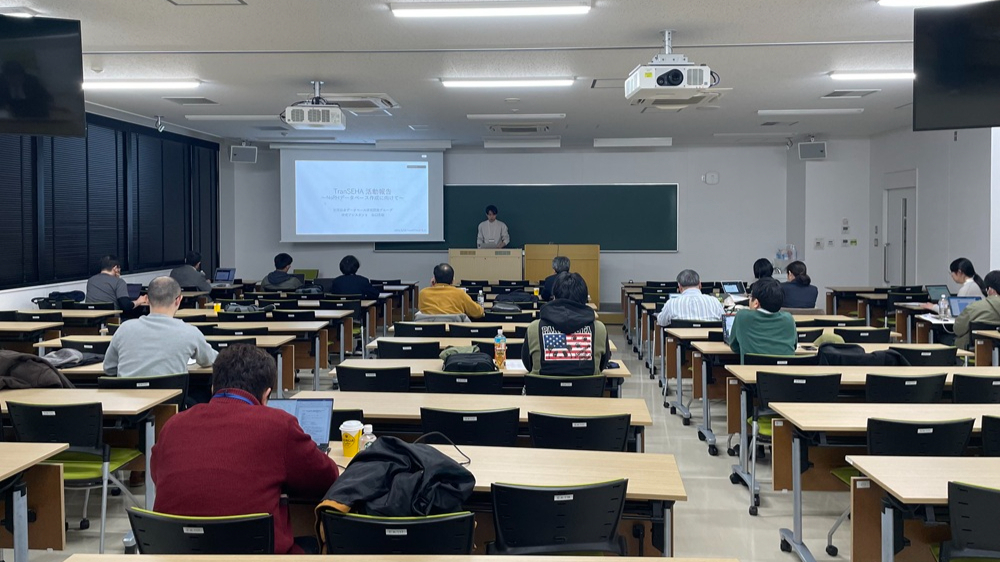
Photo 2. Special lecture by Professor Hyung-Mi Sung
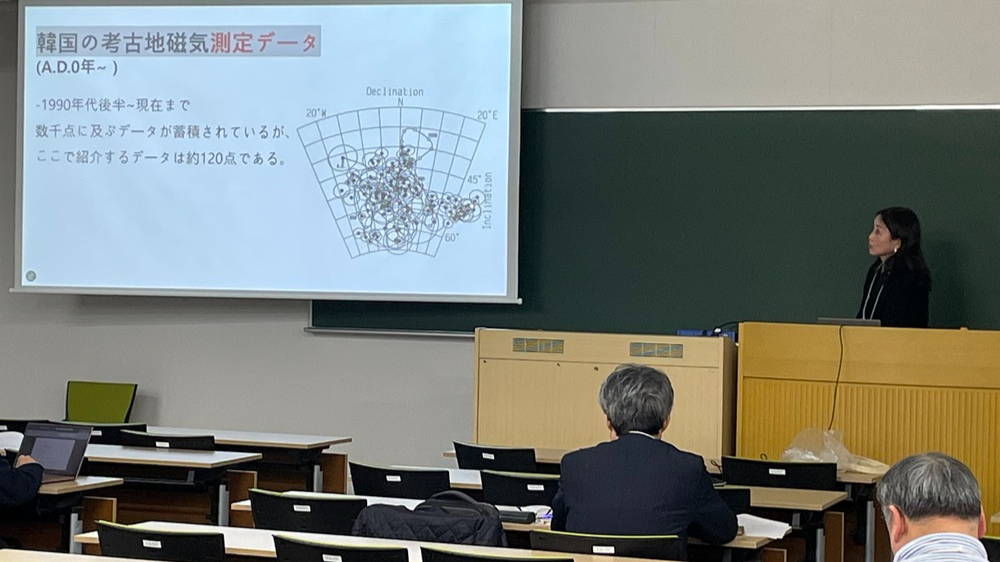
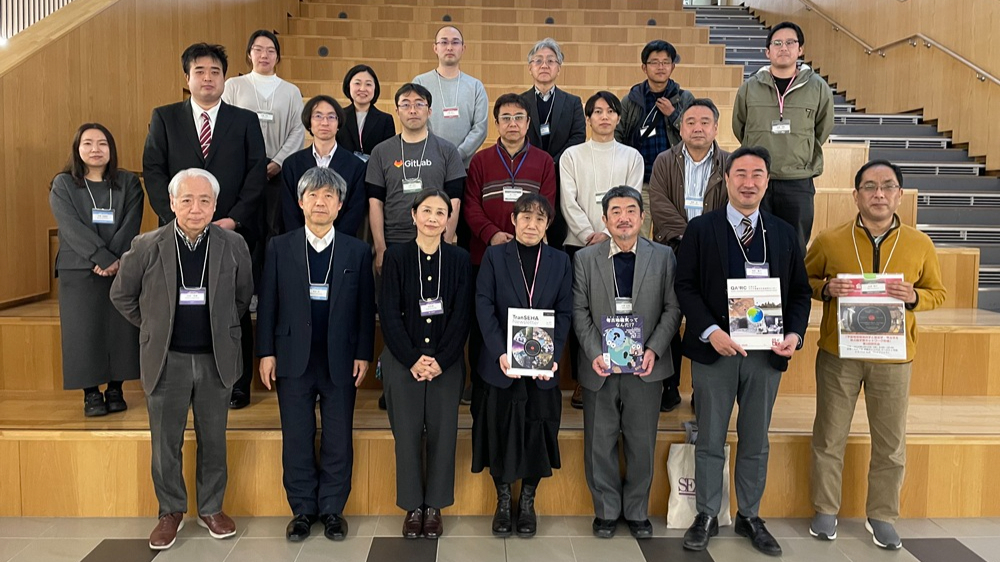
Photo 3. Group photo of on-site participants